
ONE-TRACK MOTORIZED SCREEN
Why One-Track

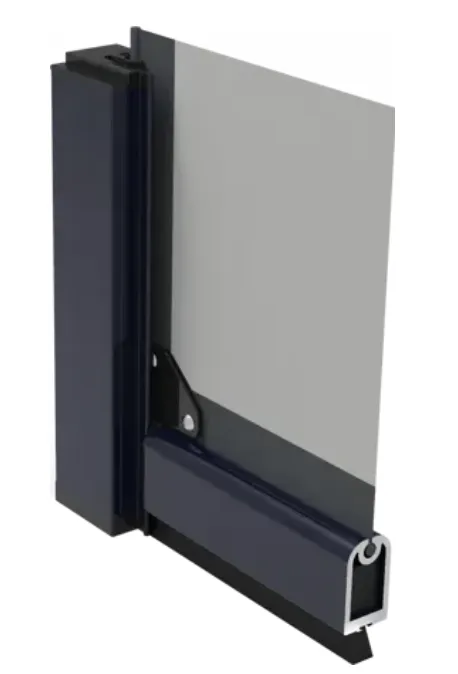
ONE-TRACK PROVEN DEPENDABILITY
Engineered For Excellence
One-Track introduced the patented quiet spring technology, the core of our One-Track system, nearly a decade ago.
We’ve crafted the perfect self-adjusting screen system that operates beautifully silently when deployed, ensures frustration-free operation, and can be used in almost any weather condition.
While others have experimented with alternative methods to achieve the advantages of our One-Track screens, none have achieved the unique combination of near-silence, ease of operation, affordability, high reliability, and exceptional dependability.
The real problem with most motorized screens
Most motorized screens fail for predictable reasons. Zippers snag. Cables stretch. Tracks shift. Motors strain.
What starts as a premium upgrade quickly turns into:
Screens that jam or tangle
Gaps that let bugs and wind in
Constant service calls and repairs
You shouldn't have to "babysit" your outdoor upgrade.
That's exactly why One-Track was built differently.
ONE-TRACK THE #1 MOTORIZED INSECT AND SHADE SCREEN
Contact A+ Certified One-Track Screen Dealer Today...
ONE-TRACK MOTORIZED SCREENS
Engineering Features
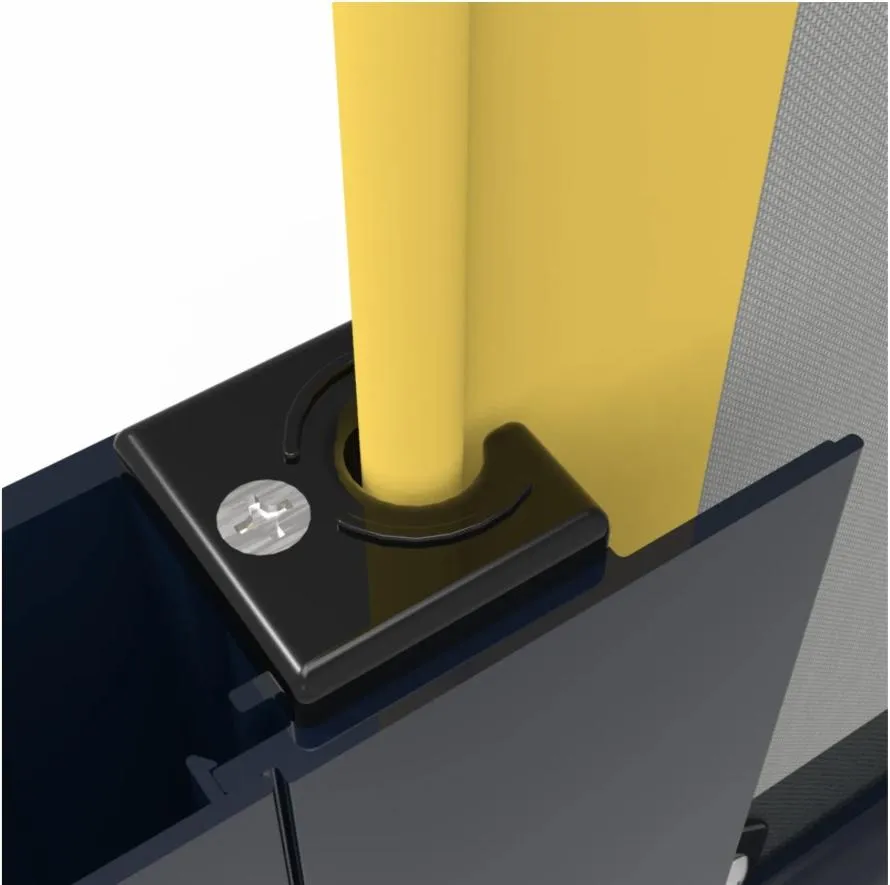
No blowouts. No rewraps. No frustration.
One-Track is the only retractable screen system on the market designed to stay locked in the track—even in high winds. Smart motor senses resistance and adjusts seamlessly, allowing self-correction when the screen encounters an obstacle: Fewer snags, fewer jams, and fewer costly service calls.
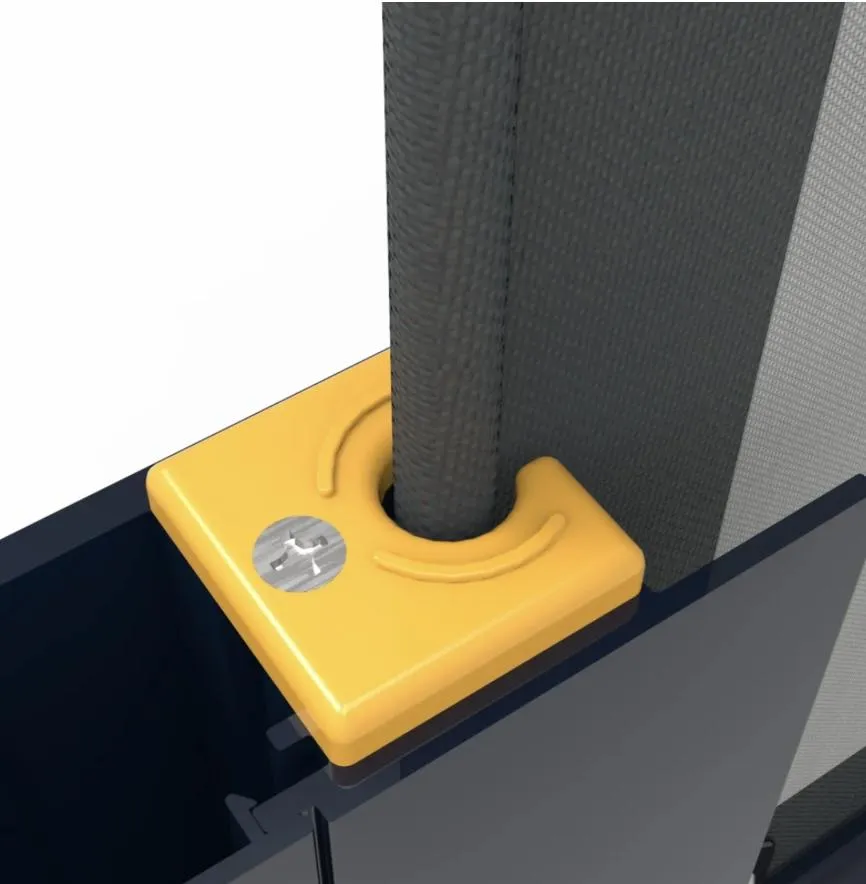
No Zipper. No Cable. Just Simple Deployment
One-Track pioneered Keder-edge technology in motorized screens, delivering unmatched durability and simplicity. Borrowed from sailboat rigging, this system eliminates zippers, cables, and exposed hardware—ensuring smooth, reliable operation every time.
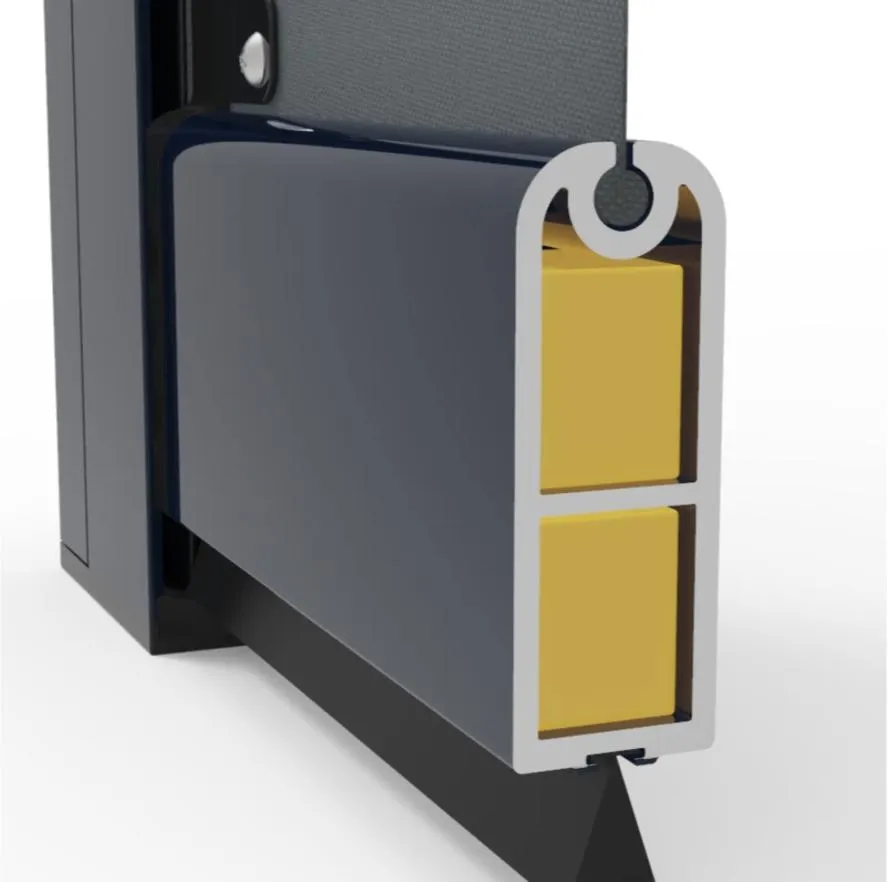
Heavy Duty
The One-Track weight bar is engineered for strength—and built to hold its ground. Pound for pound, it’s the heaviest and most robust weight bar in the industry. This ensures proper screen tension, flawless deployment, and maximum stability in high wind —limited flex, no failure.
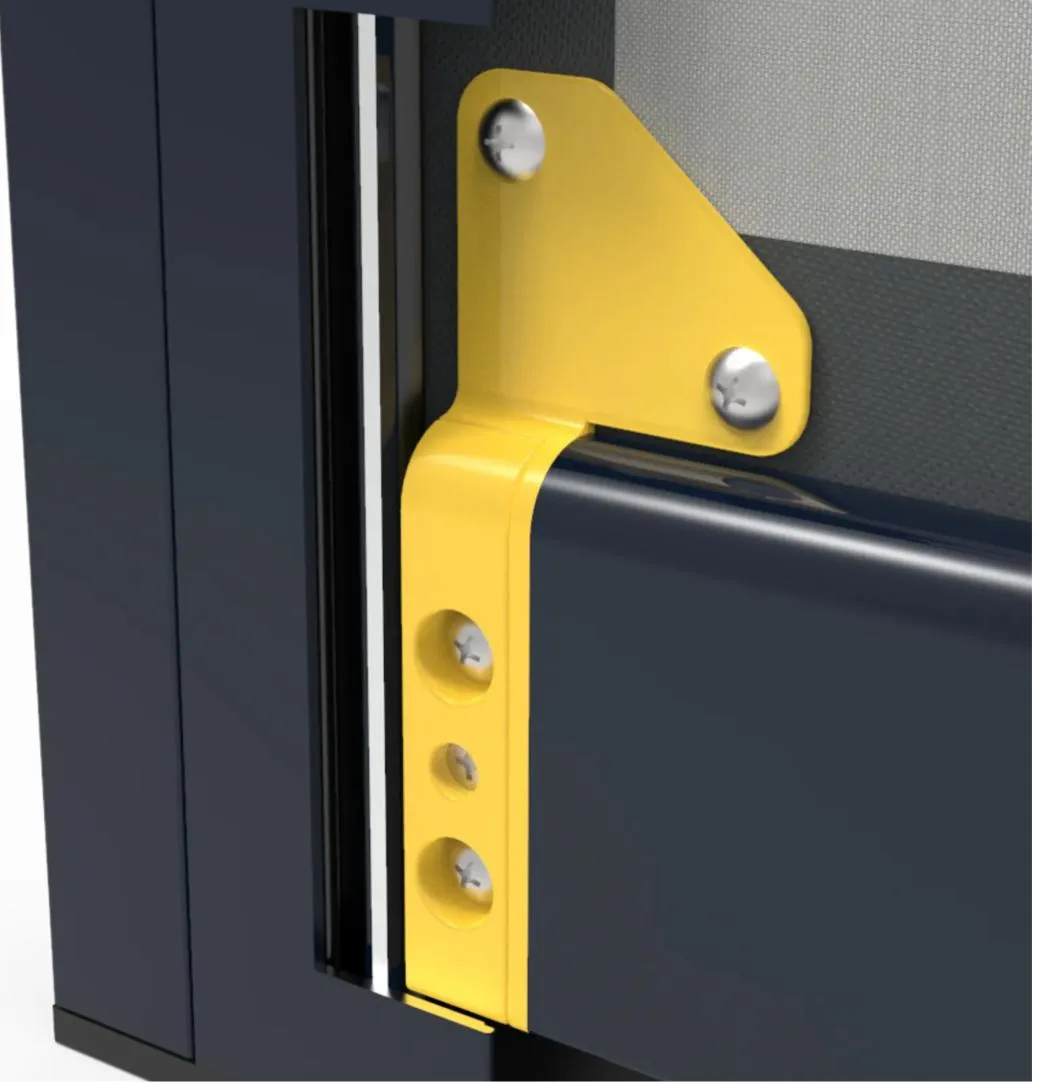
Reinforced Corners
One-Track’s heavy-duty weight bar isn’t just strong. It’s smart. Reinforced corners and integrated tie-ins create a unified structure that acts like a solid wall of protection when deployed. Made from high-strength nylon, this bar absorbs impacts while maintaining structural integrity.

HEADACHE-FREE
Exclusive self-tensioning system eliminates 99.9% of screen issues. No track adjustments, broken zippers,or dislodged screens.

LIFETIME WARRANTY
No other company can stand behind their products like One-Track can because no other company can match our quality.

CUSTOM-MADE SCREENS
Tailor-made screens with vast color, fabric, and system options. Custom paint color and fabric matching are available.

BUILT TO LAST
We use marine-grade materials such as powder-coated aluminum, UV-protected nylons, stainless steel fasteners, and premium fabrics. Resists corrosion, rust, and screen failure.

COST-SAVING
Exterior shade screens reduce cooling bills and protect against skin and furniture Damage caused by excessive UV Rays.

SMART CONTROLS
Control One-Track screens via remote and phone or integrate with popular home automation systems for advanced capabilities.

MAX CORROSION PROTECTION
Powder Coated Aluminum Protects your investment from exposer and corrosion.

HEAVY-DUTY DESIGN
Our screens are designed to withstand Mother Nature's daily abuse. High wind, rain, or shine, dust dirt, dander, it doesn't matter. One-Track covers it all.
ONE-TRACK THE #1 MOTORIZED INSECT AND SHADE SCREEN
Contact A+ Certified One-Track Screen Dealer Today...
ONE-TRACK
Ready For Life's Storms
LOCK TIGHT - KEDER TECHNOLOGY
Good by Zipper Track System
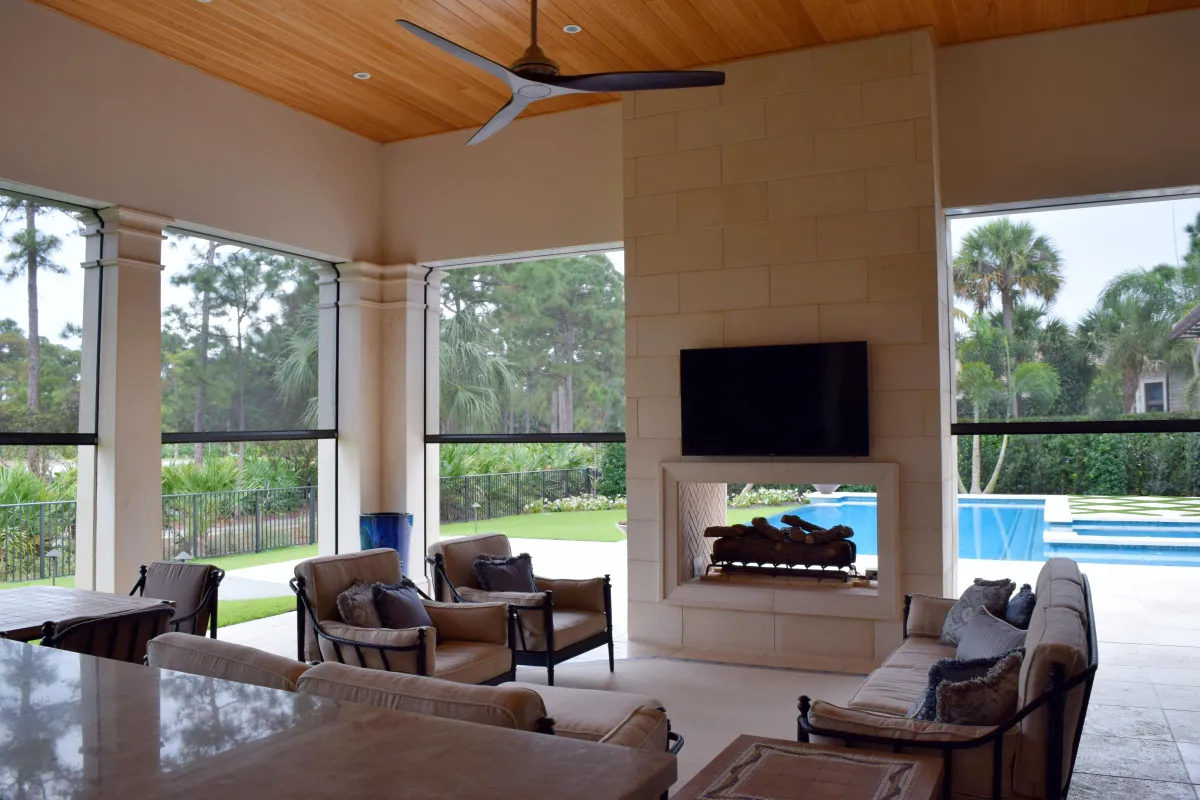
When others relied on outdated zipper systems, One-Track pioneered a breakthrough. Our Lock Tight Keder technology transformed the industry by delivering what zippers couldn't: unmatched strength, flawless operation, and built-to-last reliability.
Years of proven performance speak for themselves. Lock Tight Keder provides superior wind resistance, effortless functionality, and the durability you need for long-term peace of mind.
Lock Tight Side Retention
Prevent Screen Hangups
Prevent Jams
Prevent Snaggs
Prevent Rewraps.
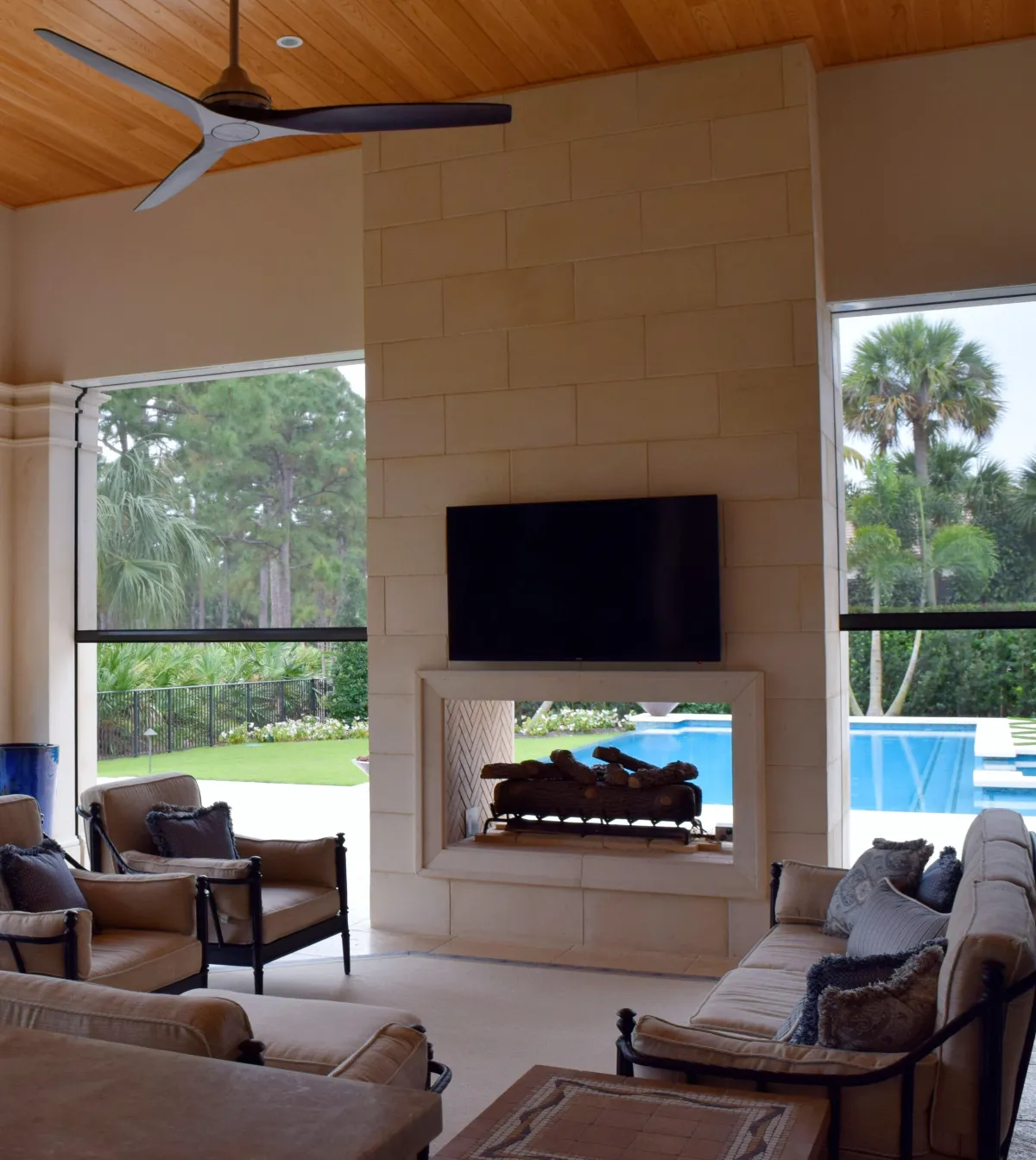
ONE-TRACK THE #1 MOTORIZED MOTORIZED INSECT AND SHADE SCREEN
Contact A+ Certified One-Track Screen Dealer Today...
THE ONE-TRACK DIFFERENCE
Eliminates All Services Call, Fix Track and Zippers Systems
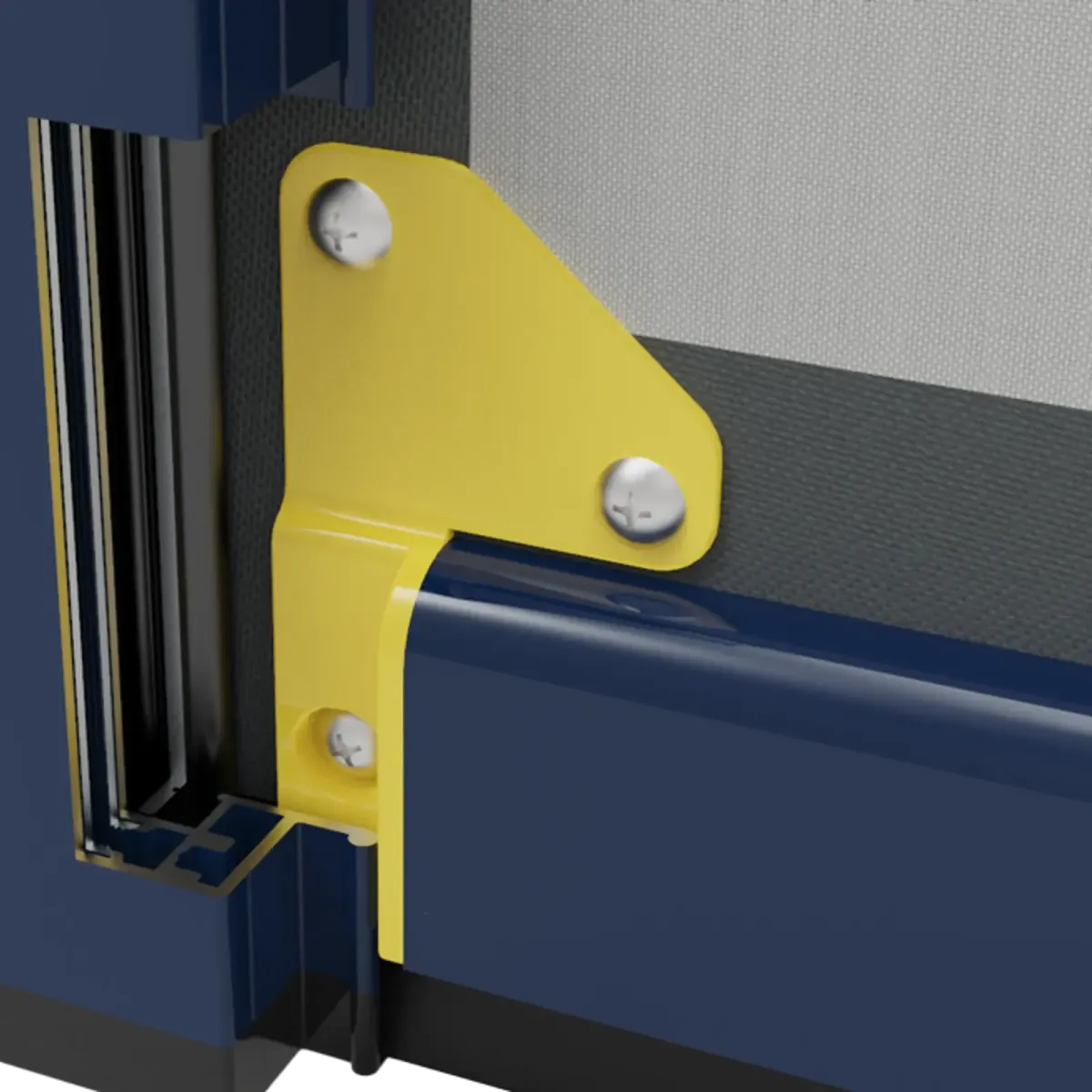
Recognizing that screen wear is most prominent at the corner where the weight bar and screen meet, One-Track engineers designed a robust and flexible guide made of toughened nylon. This innovative design reinforces the corner connection, extending the screen's lifespan,
.
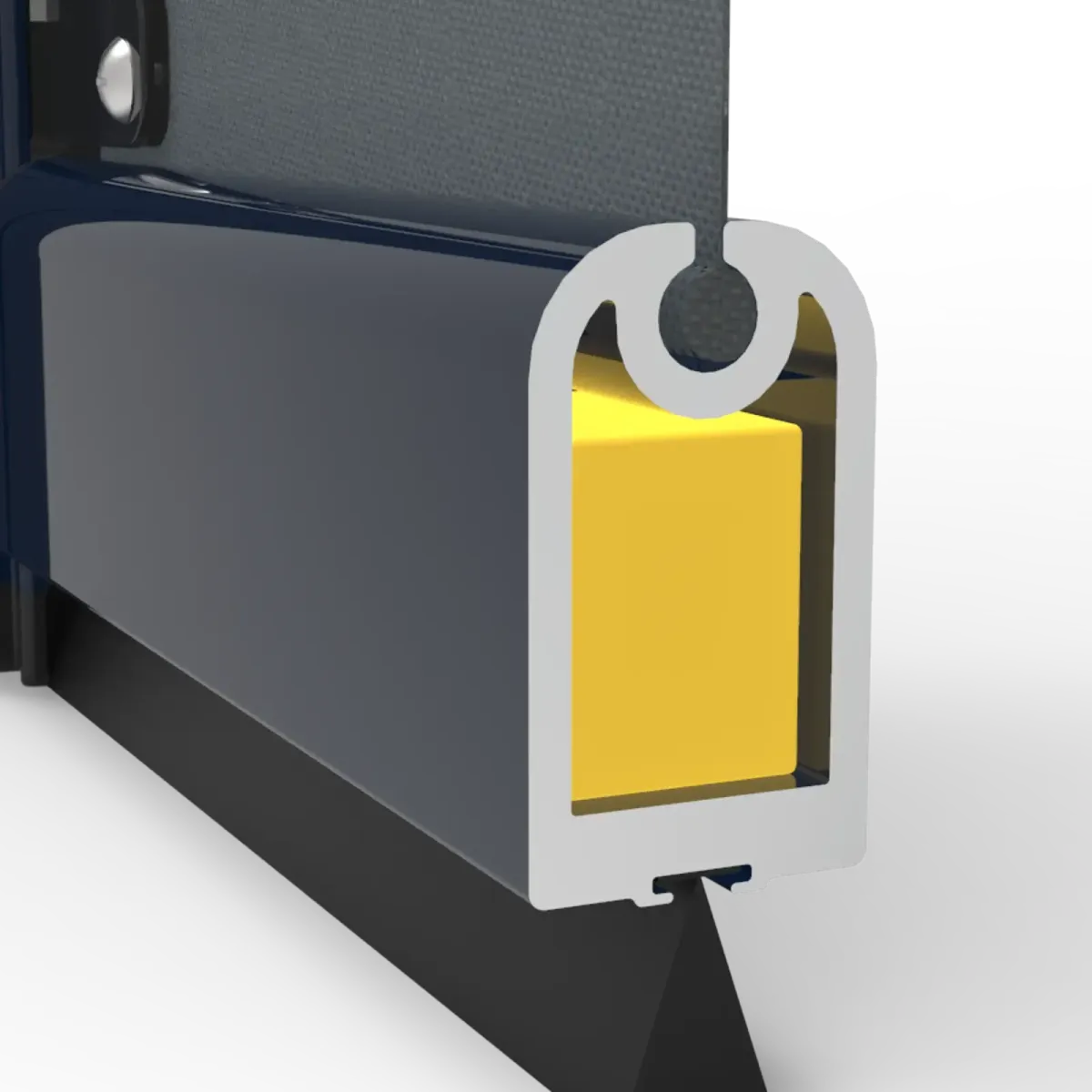
One-Track offers a well-engineered, low-profile standard weight bar suitable for installations in low-wind areas. When rolled up, it minimizes visibility in storage. For locations with higher wind exposure, a heavier-weight bar can be specified as needed.
.
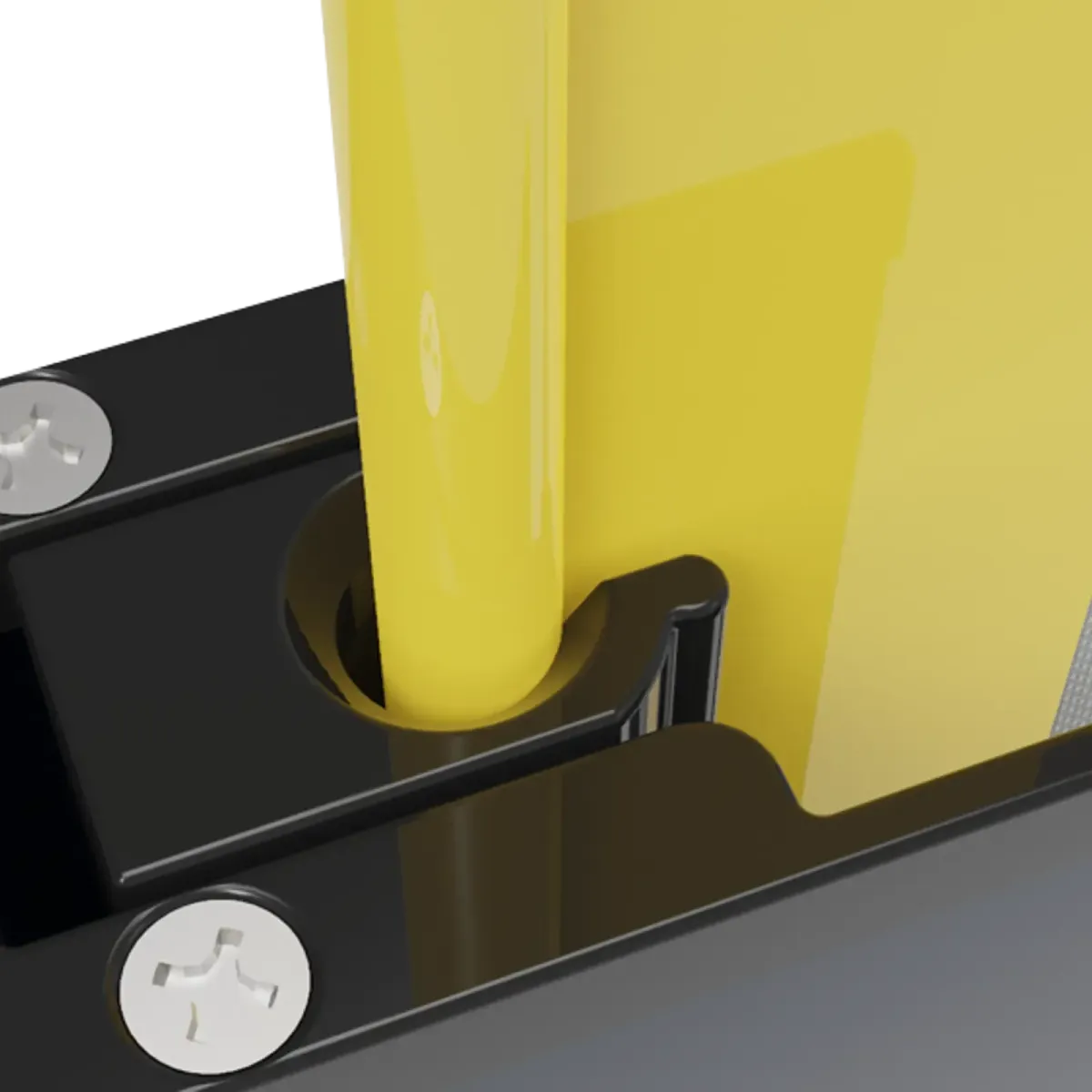
One-Track as the first to employ keder-edged screens, opted against zippers, known for potential issues. Keder's smooth, durable design avoids past failures.
.
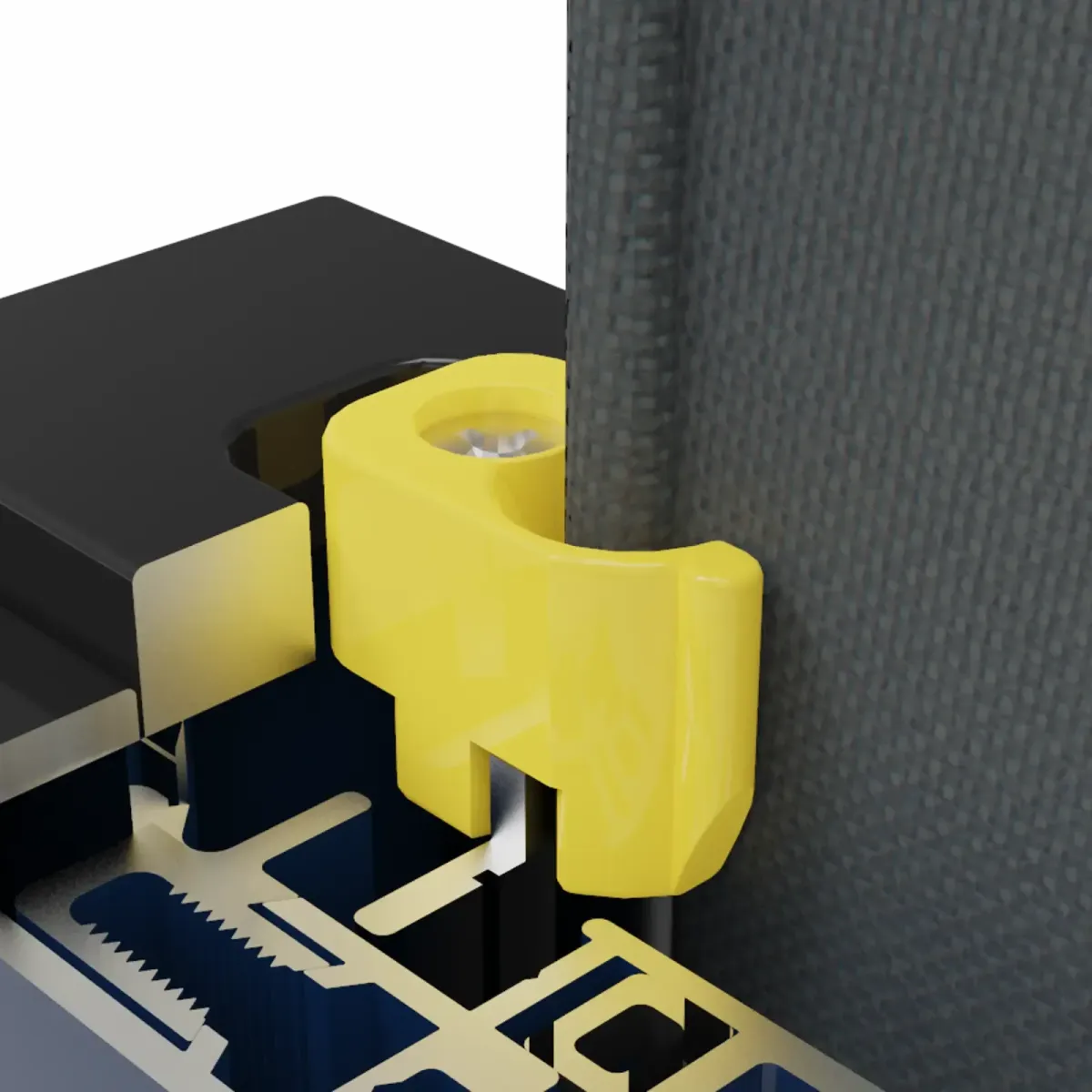
One-Track retractable screens are designed to never come out of their tracks. The screen pre-feeder facilitates a smooth transition from the reel to the side track. Smart motors instantly halt the downward motion of the screen, preventing it from dislodging from the tracks.
.
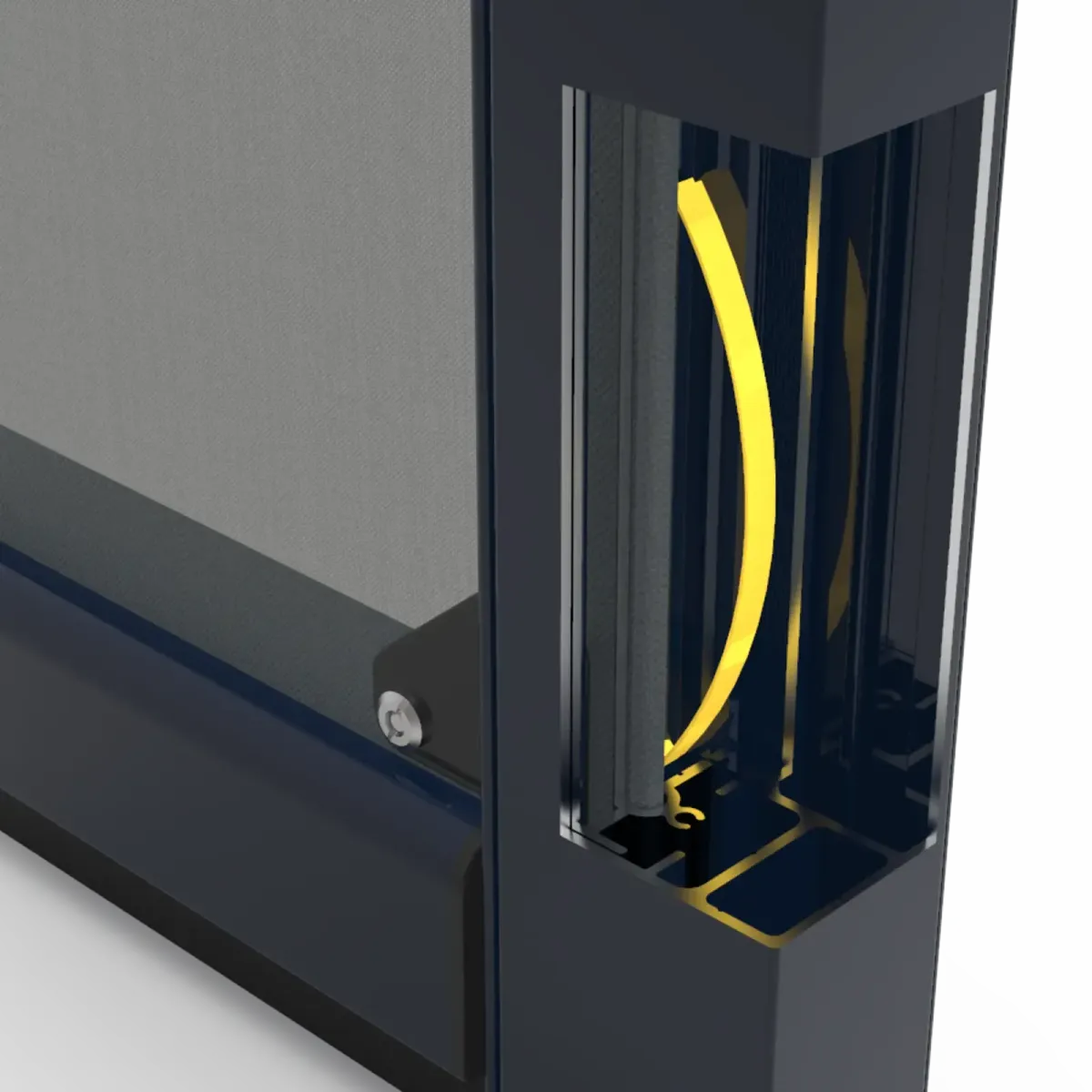
One-Track employs a unique spring-based tensioning system that ensures nearly silent operation of the screens. This technology prioritizes a quiet and comfortable outdoor experience. Think of it like shock absorbers in a car - It's the springs that give you a quiet, comfortable ride.
.
ONE-TRACK THE #1 MOTORIZED INSECT AND SHADE SCREENS
Contact A+ Certified One-Track Screen Dealer Today...
THE ONE-TRACK DIFFERENCE
One-Track Screen
AMERICAN INGENUITY
Made in the USA.

Proudly Made in the USA—every One-Track screen is built with American strength, precision, and pride. From the smallest components to the final assembly, our materials are sourced and manufactured right here in the United States. No outsourcing. No compromises. Just hardworking Americans protecting American homes with the toughest screen system on the market.
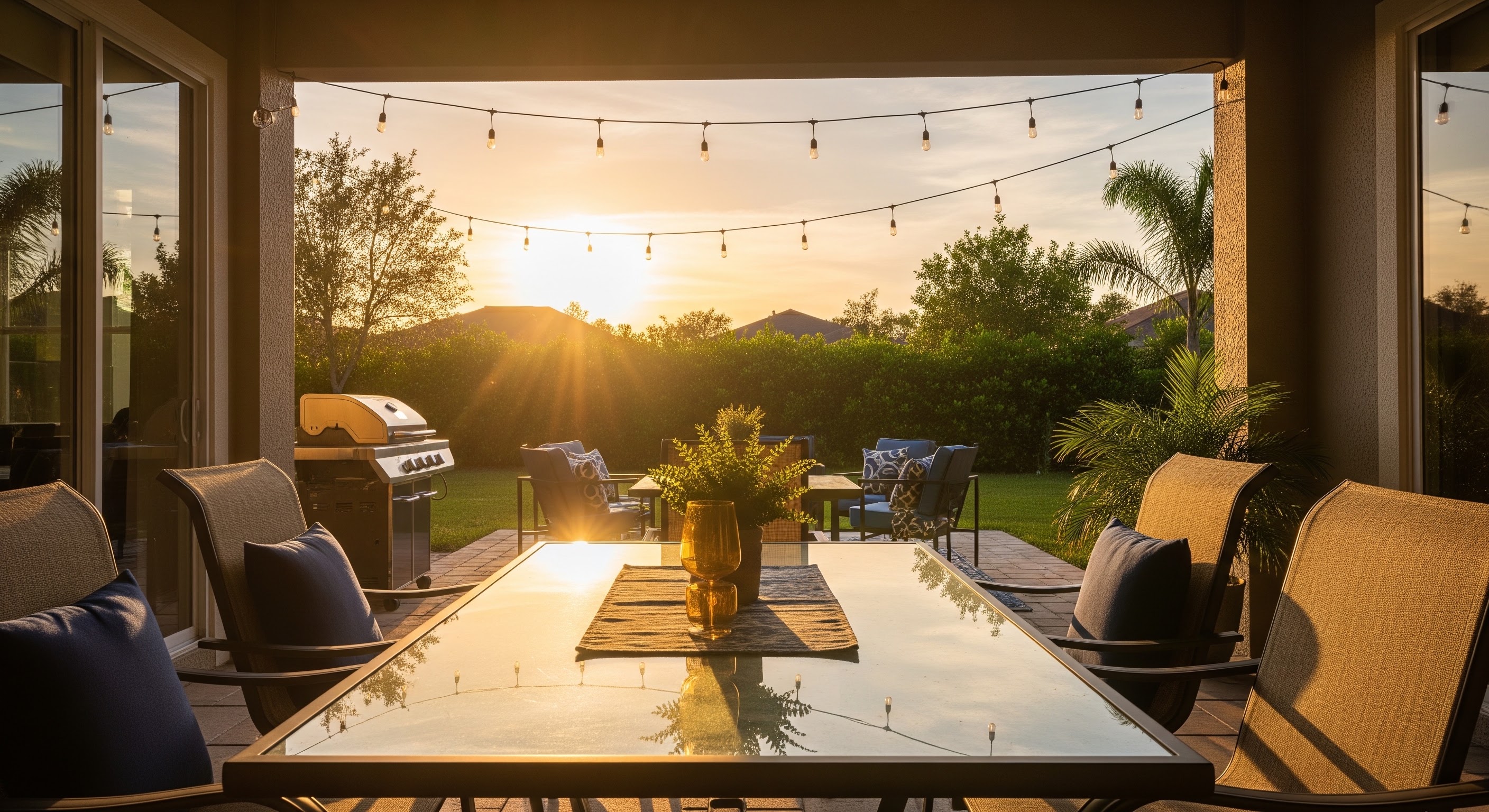
Planning a Labor Day Cookout in Fort Walton Beach? Here's What Two Weeks of Love Bugs and Sun Does to an Unenclosed Yard
Planning a Labor Day Cookout in Fort Walton Beach? Here's What Two Weeks of Love Bugs and Sun Does to an Unenclosed Yard
If you're planning to host on Labor Day, two weeks out is already the point where an open Fort Walton Beach backyard starts working against you — not the week before. The holiday lands directly inside the second of Florida's two annual love bug swarms, and it's the tail end of a summer where an uncovered patio has been catching full afternoon sun for months. Neither problem announces itself the day before the party. Both are already underway right now.
This is the first piece in a four-part series on getting a Fort Walton Beach-area backyard ready for Labor Day. See the full series.
Two weeks out is already late, not early
There's a habit of treating outdoor-hosting prep as a weekend-before job — clean the grill, wipe down the furniture, done. That works for a yard that's already comfortable and pest-controlled. It doesn't work for a yard that's been sitting open and unshaded all summer, because the two conditions that make an open patio unpleasant in Fort Walton Beach in early September aren't things that show up the morning of the party. They're already there, and they've been building for weeks.
The bug timing nobody plans a party around
Love bugs are one of the more specifically-timed nuisances in Florida. Per University of Florida entomology research (Leppla, UF/IFAS EDIS ENY-840), the insect swarms in two predictable annual windows — April through May, and again August through September — with each active period lasting a few weeks. Labor Day 2026 falls on September 7, which sits inside that second window, not near the edge of it.
Love bugs don't bite, and they're mostly a windshield-and-porch-light nuisance rather than a health concern. Mosquitoes are the bigger comfort problem in the same window: per UF/IFAS, July through September is the peak of both Florida's rainy season and its mosquito season, since daily downpours create fresh standing water for breeding. An open yard is exposed to both at the same time, on the same weekend most Fort Walton Beach households are trying to host outside.
320 days of sun sounds nice until you're hosting at 2 PM
Aluminum Building Systems, the Fort Walton Beach-based builder behind this series, markets the region as getting roughly 320 days of sun a year — its own figure, not an independently measured meteorological statistic, and worth reading as a general regional characterization rather than a precise count. Directionally, it matches what anyone who has hosted an afternoon gathering on an open Northwest Florida patio already knows: shade, not temperature alone, is usually what determines whether people actually want to stay outside past the first hour.
By late August, an uncovered patio has had an entire summer of that exposure. It's not a new problem the holiday creates — it's a standing one the holiday simply exposes to guests.
The bugs are seasonal. The sun exposure is cumulative. Neither is solved by cleaning up the morning of the party.
What the sources above don't settle: exactly how dense love bug or mosquito activity will be on any individual property in any given year — UF's own research notes swarms can reach outbreak levels in some areas and be largely absent in others in the same season. This piece describes a regional pattern, not a guaranteed outcome for a specific address.
What this means if you're hosting on Labor Day
If your Labor Day plan depends on people being comfortable outside for a few hours, two weeks out is the right time to look honestly at whether the yard delivers that — not the weekend before, when the only options left are the ones you can do yourself. The next piece in this series is a practical one: with about a week left, which structure — screen room, pool enclosure, or patio cover — actually gets a yard Labor-Day-ready in time, and which is a next-year decision. See ABS's Fort Walton Beach page in the meantime for what's already built in the area.
Frequently Asked Questions
Why does love bug season matter for a Labor Day party specifically?
Because the timing lines up almost exactly. UF/IFAS research documents love bugs swarming in two annual windows, April–May and August–September, and Labor Day 2026 (September 7) falls squarely inside the second one — not near its edge.
Is an open patio really unusable for two weeks before the holiday?
"Unusable" is strong; "uncomfortable for guests sitting outside more than an hour" is the more accurate claim, driven by a combination of ongoing sun exposure and the same window's peak mosquito and love bug activity per UF/IFAS.
What actually fixes this — a screen enclosure, or something else?
It depends which problem matters more on your property — sun, bugs, or both — and how much time is actually left before the holiday. The next post in this series walks through screen rooms, pool enclosures, and patio covers specifically for a one-week-out decision.
Sources
Leppla, Norman C. Living with Lovebugs. UF/IFAS EDIS ENY-840. Revised Sept. 2009, Dec. 2015; reviewed Dec. 2018.edis.ifas.ufl.edu
University of Florida IFAS Extension.Florida experts break down the buzz on the myth of mosquito-repelling plants. Aug. 2025.blogs.ifas.ufl.edu
Aluminum Building Systems. Regional sun-exposure characterization ("320 days of sun").screenflorida.com— self-reported, disclosed as such.

Planning a Labor Day Cookout in Fort Walton Beach? Here's What Two Weeks of Love Bugs and Sun Does to an Unenclosed Yard
Planning a Labor Day Cookout in Fort Walton Beach? Here's What Two Weeks of Love Bugs and Sun Does to an Unenclosed Yard
If you're planning to host on Labor Day, two weeks out is already the point where an open Fort Walton Beach backyard starts working against you — not the week before. The holiday lands directly inside the second of Florida's two annual love bug swarms, and it's the tail end of a summer where an uncovered patio has been catching full afternoon sun for months. Neither problem announces itself the day before the party. Both are already underway right now.
This is the first piece in a four-part series on getting a Fort Walton Beach-area backyard ready for Labor Day. See the full series.
Two weeks out is already late, not early
There's a habit of treating outdoor-hosting prep as a weekend-before job — clean the grill, wipe down the furniture, done. That works for a yard that's already comfortable and pest-controlled. It doesn't work for a yard that's been sitting open and unshaded all summer, because the two conditions that make an open patio unpleasant in Fort Walton Beach in early September aren't things that show up the morning of the party. They're already there, and they've been building for weeks.
The bug timing nobody plans a party around
Love bugs are one of the more specifically-timed nuisances in Florida. Per University of Florida entomology research (Leppla, UF/IFAS EDIS ENY-840), the insect swarms in two predictable annual windows — April through May, and again August through September — with each active period lasting a few weeks. Labor Day 2026 falls on September 7, which sits inside that second window, not near the edge of it.
Love bugs don't bite, and they're mostly a windshield-and-porch-light nuisance rather than a health concern. Mosquitoes are the bigger comfort problem in the same window: per UF/IFAS, July through September is the peak of both Florida's rainy season and its mosquito season, since daily downpours create fresh standing water for breeding. An open yard is exposed to both at the same time, on the same weekend most Fort Walton Beach households are trying to host outside.
320 days of sun sounds nice until you're hosting at 2 PM
Aluminum Building Systems, the Fort Walton Beach-based builder behind this series, markets the region as getting roughly 320 days of sun a year — its own figure, not an independently measured meteorological statistic, and worth reading as a general regional characterization rather than a precise count. Directionally, it matches what anyone who has hosted an afternoon gathering on an open Northwest Florida patio already knows: shade, not temperature alone, is usually what determines whether people actually want to stay outside past the first hour.
By late August, an uncovered patio has had an entire summer of that exposure. It's not a new problem the holiday creates — it's a standing one the holiday simply exposes to guests.
The bugs are seasonal. The sun exposure is cumulative. Neither is solved by cleaning up the morning of the party.
What the sources above don't settle: exactly how dense love bug or mosquito activity will be on any individual property in any given year — UF's own research notes swarms can reach outbreak levels in some areas and be largely absent in others in the same season. This piece describes a regional pattern, not a guaranteed outcome for a specific address.
What this means if you're hosting on Labor Day
If your Labor Day plan depends on people being comfortable outside for a few hours, two weeks out is the right time to look honestly at whether the yard delivers that — not the weekend before, when the only options left are the ones you can do yourself. The next piece in this series is a practical one: with about a week left, which structure — screen room, pool enclosure, or patio cover — actually gets a yard Labor-Day-ready in time, and which is a next-year decision. See ABS's Fort Walton Beach page in the meantime for what's already built in the area.
Frequently Asked Questions
Why does love bug season matter for a Labor Day party specifically?
Because the timing lines up almost exactly. UF/IFAS research documents love bugs swarming in two annual windows, April–May and August–September, and Labor Day 2026 (September 7) falls squarely inside the second one — not near its edge.
Is an open patio really unusable for two weeks before the holiday?
"Unusable" is strong; "uncomfortable for guests sitting outside more than an hour" is the more accurate claim, driven by a combination of ongoing sun exposure and the same window's peak mosquito and love bug activity per UF/IFAS.
What actually fixes this — a screen enclosure, or something else?
It depends which problem matters more on your property — sun, bugs, or both — and how much time is actually left before the holiday. The next post in this series walks through screen rooms, pool enclosures, and patio covers specifically for a one-week-out decision.
Sources
Leppla, Norman C. Living with Lovebugs. UF/IFAS EDIS ENY-840. Revised Sept. 2009, Dec. 2015; reviewed Dec. 2018.edis.ifas.ufl.edu
University of Florida IFAS Extension.Florida experts break down the buzz on the myth of mosquito-repelling plants. Aug. 2025.blogs.ifas.ufl.edu
Aluminum Building Systems. Regional sun-exposure characterization ("320 days of sun").screenflorida.com— self-reported, disclosed as such.

COMPANY
QUICK LINKS
LEGAL
FOLLOW US


© 2026 Fenetex Lead Nexus | A Fenetex Corporation | All Rights Reserved