
Why Maxforce
Motorized Hurricane Screen

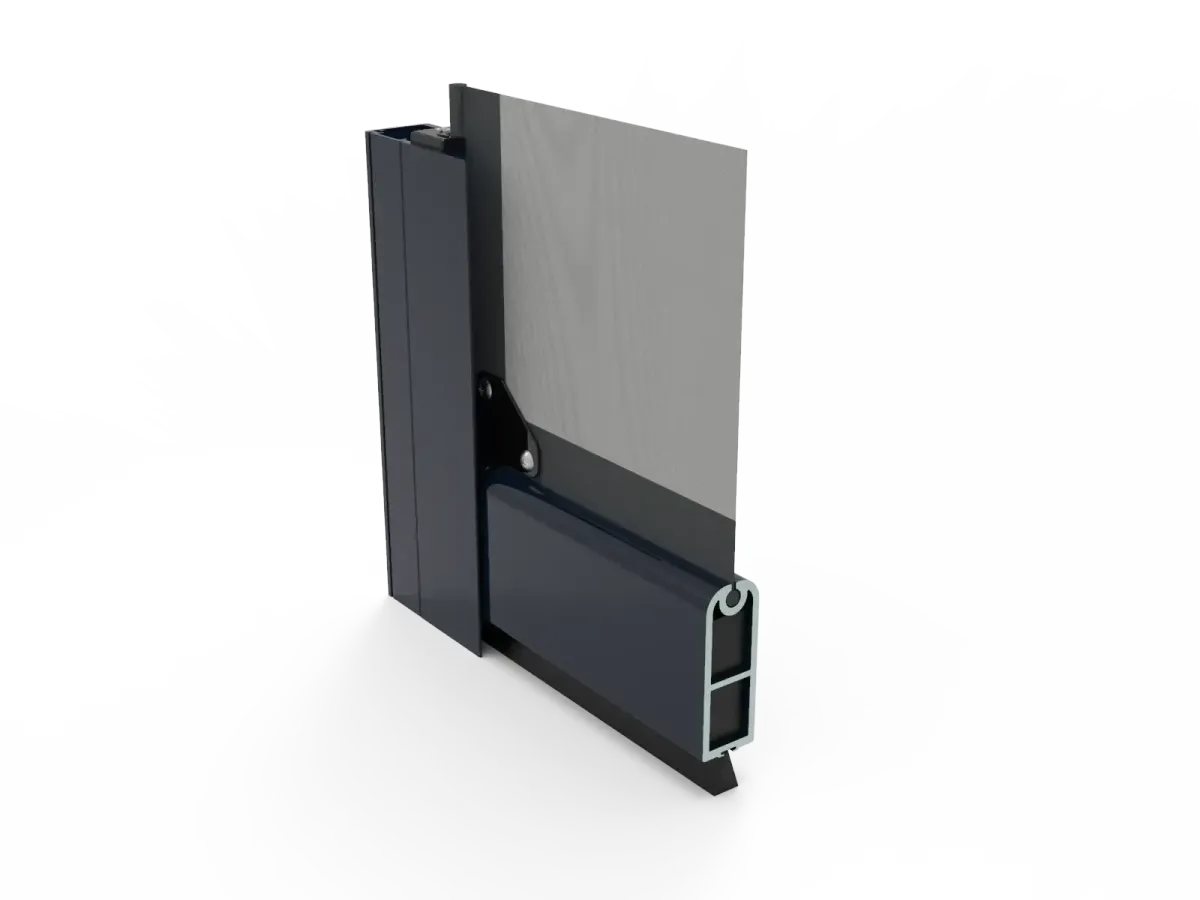
MAXFORCE PROVEN PROTECT
Engineered For Excellence
For nearly two decades, MaxForce has manufactured hurricane screens to meet the most demanding building code, the High Velocity Hurricane Zone of Miami-Dade. The MaxForce track is our newest version of the fixed track we have used with great success for high wind applications all over the globe.
The benefits of a fixed track are unmatched strength - this is important when designing a screen system for hurricanes. When you want the strongest system available, and a proven veteran of many hurricanes, the MaxForce Hurricane Track is your best choice.
MAXFORCE THE #1 MOTORIZED HURRICANE SCREEN
Contact A+ Certified MaxForce Screen Dealer Today...

HEADACHE-FREE
Exclusive self-tensioning system eliminates 99.9% of screen issues. No track adjustments, broken zippers, or dislodged screens.

LIFETIME WARRANTY
Exterior shade screens reduce cooling bills and MaxForce hurricane screens reduce insurance premiums in hurricane zones.

HURRICANE STRONG
Our MaxForce tracks and advanced hybrid ballistic fabrics withstand 150+ mph winds. Approved by Florida Building Commission for hurricane zones. Lab and real-world tested.

BUILT TO LAST
We use marine-grade materials such as powder-coated aluminum, UV-protected nylons, stainless steel fasteners, and premium fabrics. Resists corrosion, rust, and screen failure.

COST-SAVING
Exterior shade screens reduce cooling bills and MaxForce hurricane screens reduce insurance premiums in hurricane zones.

SMART CONTROLS
Control MaxForce screens via remote and
phone or integrate with popular home automation systems for advanced
capabilities.

SECURE TRACK
MaxForce Fix Hurricane Track holds firm under extreme loads

MAX CORROSION PROTECTION
Powder Coated Aluminum Protects your investment from exposer and corrosion.

HEAVY-DUTY DESIGN
Our screens are designed to withstand the extreme. High wind, Rain, or Shine, Dust Dirt, Dander, it doesn't matter. MaxForce Cover it all.

CUSTOM-MADE SCREENS
Tailor-made screens with vast color, fabric, and system options. Custom paint color and fabric matching are available.
MAXFORCE THE #1 MOTORIZED HURRICANE SCREEN
Contact A+ Certified MaxForce Screen Dealer Today...
MAXFORCE
Ready For Life's Storms
MAXFORCE HURRICANE SCREEN SYSTEM
A Certified, Tested System...
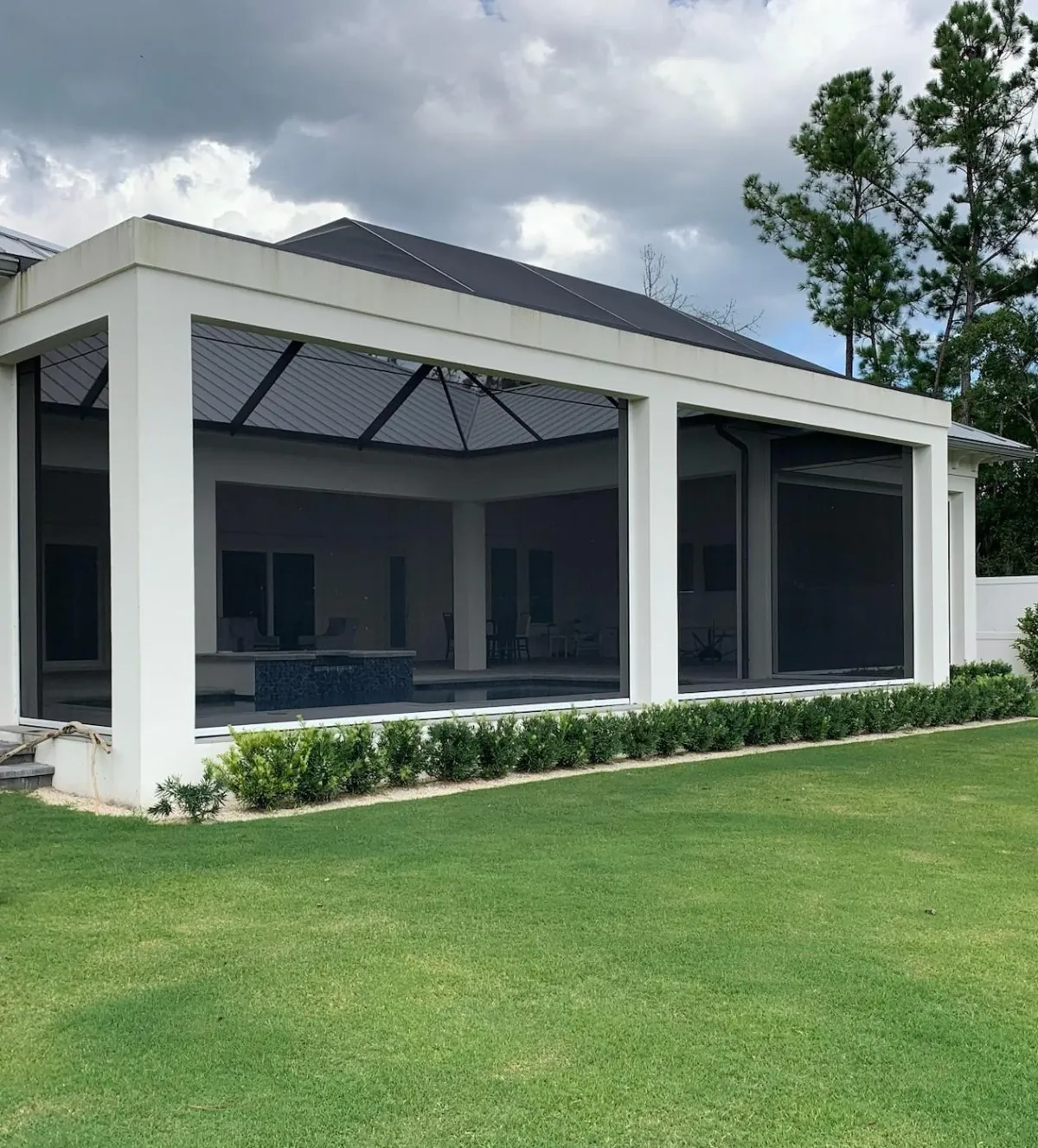
The MaxForce Hurricane Screen System meets or exceeds Miami-Dade and Florida Building Code requirements—the toughest hurricane codes on earth—for roll-down hurricane screens. Rated for the 185 MPH wind zone, and with real-world and certified testing. With spans of up to 25 feet, they exceed performance criteria for all local and International Building Codes.
MAXFORCE THE #1 MOTORIZED HURRICANE SCREEN
Contact A+ Certified MaxForce Screen Dealer Today...
THE MAXFORCE DIFFERENCE
Maxforce Hurricane Screen
MaxForce Hurricane Screens, powered by our MaxForce system, meet the toughest standards—including HVHZ certification in Miami-Dade and Broward. They last longer, resist more, and do more than any screen on the market—proven protection without compromise.
MaxForce Hurricane Screens —Delivers 365 days of perfect protection, rain or shine, on your patio and lanai. With the push of a button or a tap on the mobile app, your patio is storm-ready— furniture and openings fully protected in seconds.
MaxForce Hurricane Screens fabric blocks up to 95% of the sun’s damaging UV-rays while shielding against wind, rain, insects, dust, and debris. It also helps reduce heat and lower energy costs by limiting solar exposure—comfort and protection in one smart solution.
Like all Maxforce products, our MaxForce Hurricane Screens are highly customizable and built to order—made to fit your exact openings. No guesswork, no compromises—just precision-fit protection tailored to your space.
Pair our retractable MaxForce Hurricane Screens with other Maxforce screens for customized and independent solutions. Each screen operates independently, giving you the protection you want when you need it.
MaxForce Hurricane Screens offer built-in privacy without blocking your view. Like a two-way mirror, you can see out—but neighbors and passersby can not see in. It provides the perfect blend of openness and seclusion, day or night.
MAXFORCE THE #1 MOTORIZED HURRICANE SCREEN
Contact A+ Certified MaxForce Screen Dealer Today...
INTEGRITY MATTERS
How MaxForce Is Made Matters
AMERICAN INGENUITY
Made in the USA
Proudly Made in the USA—every MaxForce screen is built with American strength, precision, and pride. From the smallest components to the final assembly, our materials are sourced and manufactured right here in the United States. No outsourcing. No compromises. Just hardworking Americans protecting American homes with the toughest screen system on the market.
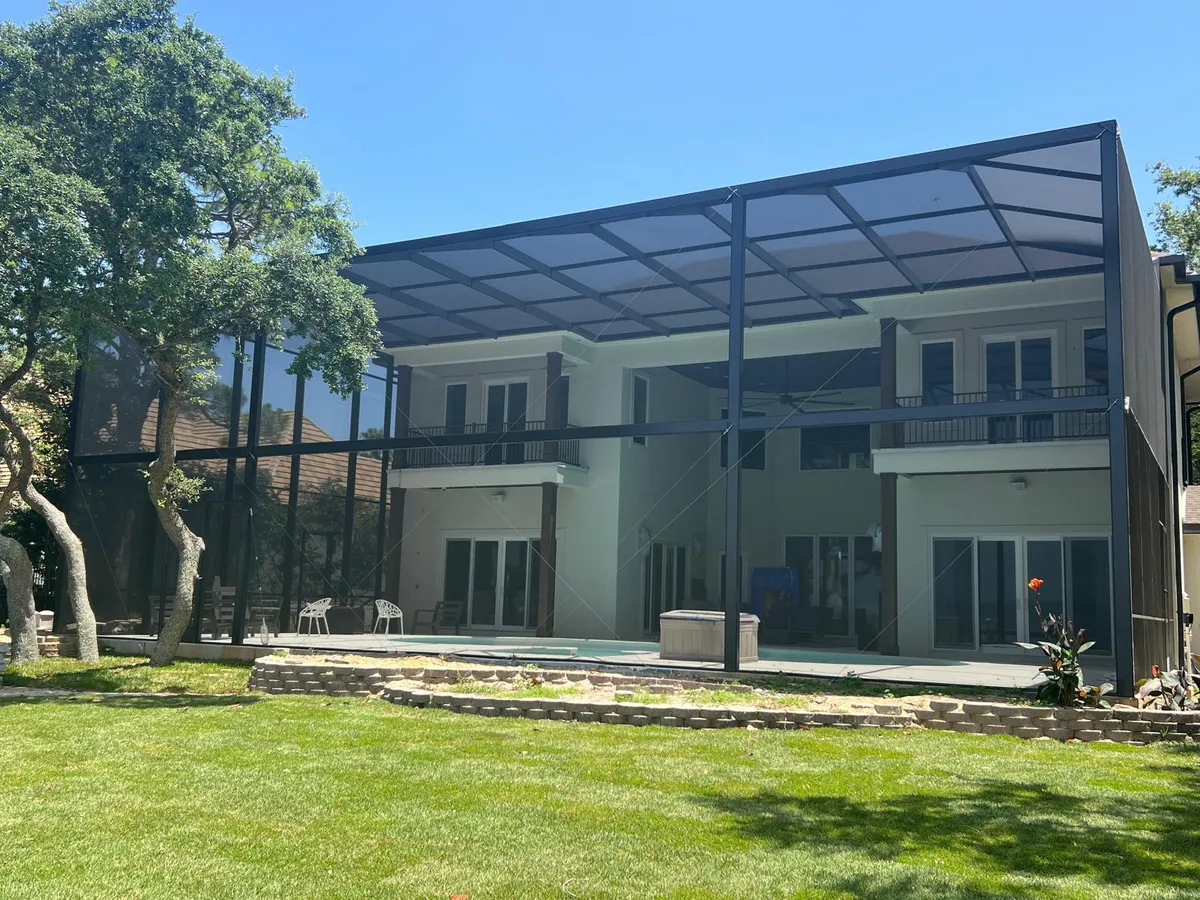
After Isaias: Don't Skip the Permit or Rebuild to Yesterday's Code
Part of our series on the 10 most common mistakes homeowners make after a hurricane damages their screen enclosure, pool cage, screen room, or patio cover.
When an enclosure comes down, the quickest fix sounds like the best one: put it back the way it was, skip the paperwork, and get the backyard back. Some contractors will offer exactly that, usually with a lower price and a faster start date.
It's a mistake that can cost you twice: once when the next storm finds the same weak spots, and again when you try to sell the house.
Why the permit matters
Here in Santa Rosa, Okaloosa, Walton, and Bay counties, replacing screen alone doesn't need a permit, but repairing or rebuilding the frame does. That permit isn't just paperwork. It's the one point in the process where someone independent checks that the structure is designed for your property's wind zone and built the way the plans say.
"We pull a permit on every structural job. It's your proof the work was done right, and you'll want it when you sell." — Eric Vanheteren, Aluminum Building Systems
What skipping it can cost you
Unpermitted work has a way of surfacing later, usually at the worst time:
When you sell. Florida's standard real estate contracts ask sellers about open permits and unpermitted improvements, and buyers routinely search permit records.
When you try to fix it after the fact. Getting an after-the-fact permit typically means penalty fees on top of the normal permit cost, and sometimes changes to bring the work up to current code.
When the house changes hands. Code violations and liens stay with the property, so a future owner inherits them, and a buyer may want them resolved before closing.
And remember the owner-builder trick from our post on checking a contractor's license: if a contractor asks you to pull the permit in your own name, you become the person responsible for the work.
"Put it back the way it was" may not be allowed
Many enclosures in our area were built years ago, under older versions of the building code. When a damaged enclosure is rebuilt, the new structure generally has to meet the code in effect today, not the one in effect when the original went up. Florida's current code uses the latest national wind-load standard, so a replacement built to today's requirements may look a little different from what you had.
"Putting it back the way it was sounds simple. But the way it was is what the storm just tore down." — Eric Vanheteren, Aluminum Building Systems
A code change is coming December 31
There's one more timing detail worth knowing. Florida updates its building code every three years, and the next edition takes effect on December 31, 2026. Projects permitted before that date generally fall under the current code; projects permitted after it fall under the new one. If you're planning a rebuild, ask your contractor which code your project will be permitted under.
How to do it right
Make sure your contractor pulls the permit in their own name.
Ask whether the design is engineered for your property's wind zone.
Make sure the permit gets closed out. Final inspections sometimes depend on other trades working on the same property, so ask your contractor how they'll follow the permit through to the final sign-off.
Keep your permit records, including the final inspection, with your house papers. You'll want them when you sell.
When you're ready
Next in this series: After Isaias: Get HOA Approval Before Your Enclosure Goes Back Up

After Isaias: Don't Skip the Permit or Rebuild to Yesterday's Code
Part of our series on the 10 most common mistakes homeowners make after a hurricane damages their screen enclosure, pool cage, screen room, or patio cover.
When an enclosure comes down, the quickest fix sounds like the best one: put it back the way it was, skip the paperwork, and get the backyard back. Some contractors will offer exactly that, usually with a lower price and a faster start date.
It's a mistake that can cost you twice: once when the next storm finds the same weak spots, and again when you try to sell the house.
Why the permit matters
Here in Santa Rosa, Okaloosa, Walton, and Bay counties, replacing screen alone doesn't need a permit, but repairing or rebuilding the frame does. That permit isn't just paperwork. It's the one point in the process where someone independent checks that the structure is designed for your property's wind zone and built the way the plans say.
"We pull a permit on every structural job. It's your proof the work was done right, and you'll want it when you sell." — Eric Vanheteren, Aluminum Building Systems
What skipping it can cost you
Unpermitted work has a way of surfacing later, usually at the worst time:
When you sell. Florida's standard real estate contracts ask sellers about open permits and unpermitted improvements, and buyers routinely search permit records.
When you try to fix it after the fact. Getting an after-the-fact permit typically means penalty fees on top of the normal permit cost, and sometimes changes to bring the work up to current code.
When the house changes hands. Code violations and liens stay with the property, so a future owner inherits them, and a buyer may want them resolved before closing.
And remember the owner-builder trick from our post on checking a contractor's license: if a contractor asks you to pull the permit in your own name, you become the person responsible for the work.
"Put it back the way it was" may not be allowed
Many enclosures in our area were built years ago, under older versions of the building code. When a damaged enclosure is rebuilt, the new structure generally has to meet the code in effect today, not the one in effect when the original went up. Florida's current code uses the latest national wind-load standard, so a replacement built to today's requirements may look a little different from what you had.
"Putting it back the way it was sounds simple. But the way it was is what the storm just tore down." — Eric Vanheteren, Aluminum Building Systems
A code change is coming December 31
There's one more timing detail worth knowing. Florida updates its building code every three years, and the next edition takes effect on December 31, 2026. Projects permitted before that date generally fall under the current code; projects permitted after it fall under the new one. If you're planning a rebuild, ask your contractor which code your project will be permitted under.
How to do it right
Make sure your contractor pulls the permit in their own name.
Ask whether the design is engineered for your property's wind zone.
Make sure the permit gets closed out. Final inspections sometimes depend on other trades working on the same property, so ask your contractor how they'll follow the permit through to the final sign-off.
Keep your permit records, including the final inspection, with your house papers. You'll want them when you sell.
When you're ready
Next in this series: After Isaias: Get HOA Approval Before Your Enclosure Goes Back Up

COMPANY
QUICK LINKS
LEGAL
FOLLOW US


© 2026 Fenetex Lead Nexus | A Fenetex Corporation | All Rights Reserved