
Why Maxforce
Motorized Hurricane Screen

MAXFORCE PROVEN PROTECT
Engineered For Excellence
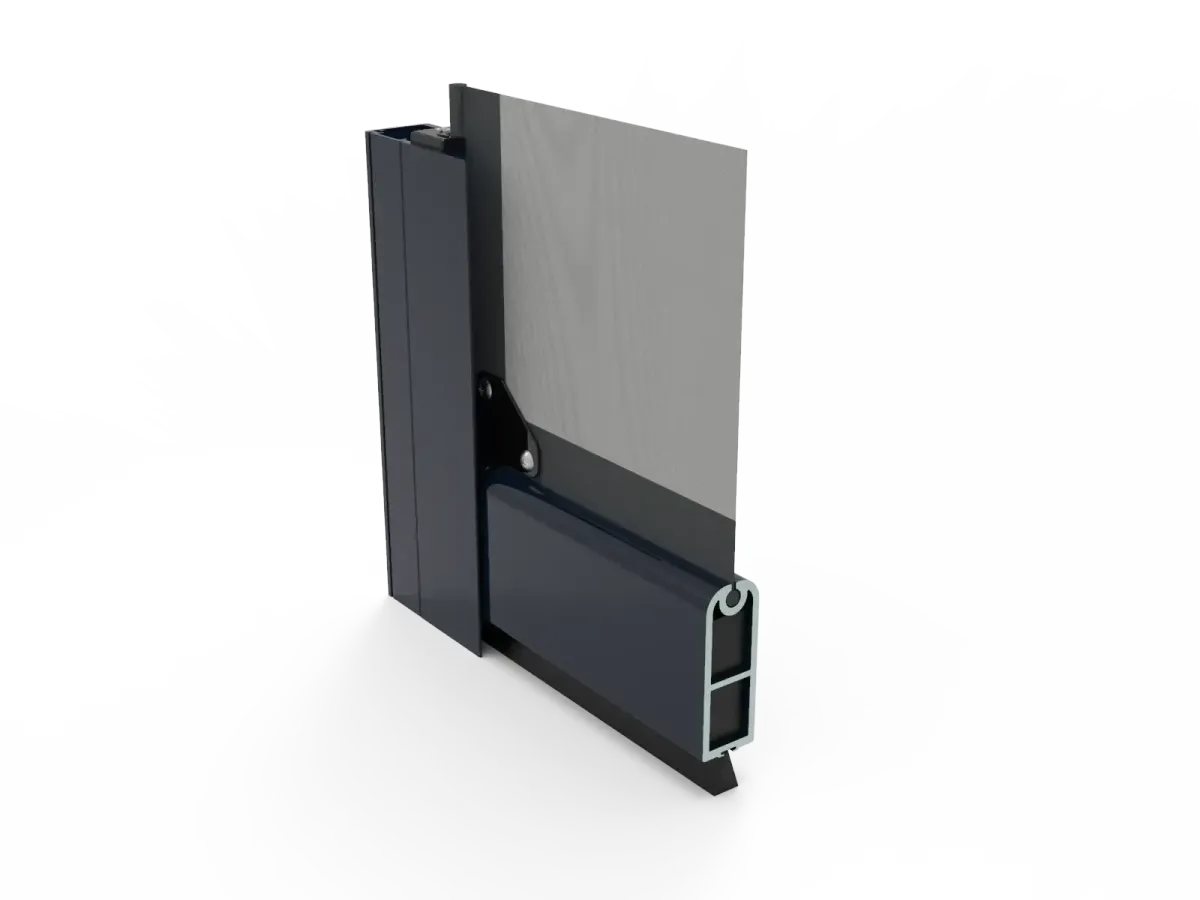
For nearly two decades, MaxForce has manufactured hurricane screens to meet the most demanding building code, the High Velocity Hurricane Zone of Miami-Dade. The MaxForce track is our newest version of the fixed track we have used with great success for high wind applications all over the globe.
The benefits of a fixed track are unmatched strength - this is important when designing a screen system for hurricanes. When you want the strongest system available, and a proven veteran of many hurricanes, the MaxForce Hurricane Track is your best choice.
MAXFORCE THE #1 MOTORIZED HURRICANE SCREEN
Contact A+ Certified MaxForce Screen Dealer Today...

HEADACHE-FREE
Exclusive self-tensioning system eliminates 99.9% of screen issues. No track adjustments, broken zippers, or dislodged screens.

LIFETIME WARRANTY
Exterior shade screens reduce cooling bills and MaxForce hurricane screens reduce insurance premiums in hurricane zones.

HURRICANE STRONG
Our MaxForce tracks and advanced hybrid ballistic fabrics withstand 150+ mph winds. Approved by Florida Building Commission for hurricane zones. Lab and real-world tested.

BUILT TO LAST
We use marine-grade materials such as powder-coated aluminum, UV-protected nylons, stainless steel fasteners, and premium fabrics. Resists corrosion, rust, and screen failure.

COST-SAVING
Exterior shade screens reduce cooling bills and MaxForce hurricane screens reduce insurance premiums in hurricane zones.

SMART CONTROLS
Control MaxForce screens via remote and
phone or integrate with popular home automation systems for advanced
capabilities.

SECURE TRACK
MaxForce Fix Hurricane Track holds firm under extreme loads

MAX CORROSION PROTECTION
Powder Coated Aluminum Protects your investment from exposer and corrosion.

HEAVY-DUTY DESIGN
Our screens are designed to withstand the extreme. High wind, Rain, or Shine, Dust Dirt, Dander, it doesn't matter. MaxForce Cover it all.

CUSTOM-MADE SCREENS
Tailor-made screens with vast color, fabric, and system options. Custom paint color and fabric matching are available.
MAXFORCE THE #1 MOTORIZED HURRICANE SCREEN
Contact A+ Certified MaxForce Screen Dealer Today...
MAXFORCE
Ready For Life's Storms
MAXFORCE HURRICANE SCREEN SYSTEM
A Certified, Tested System...
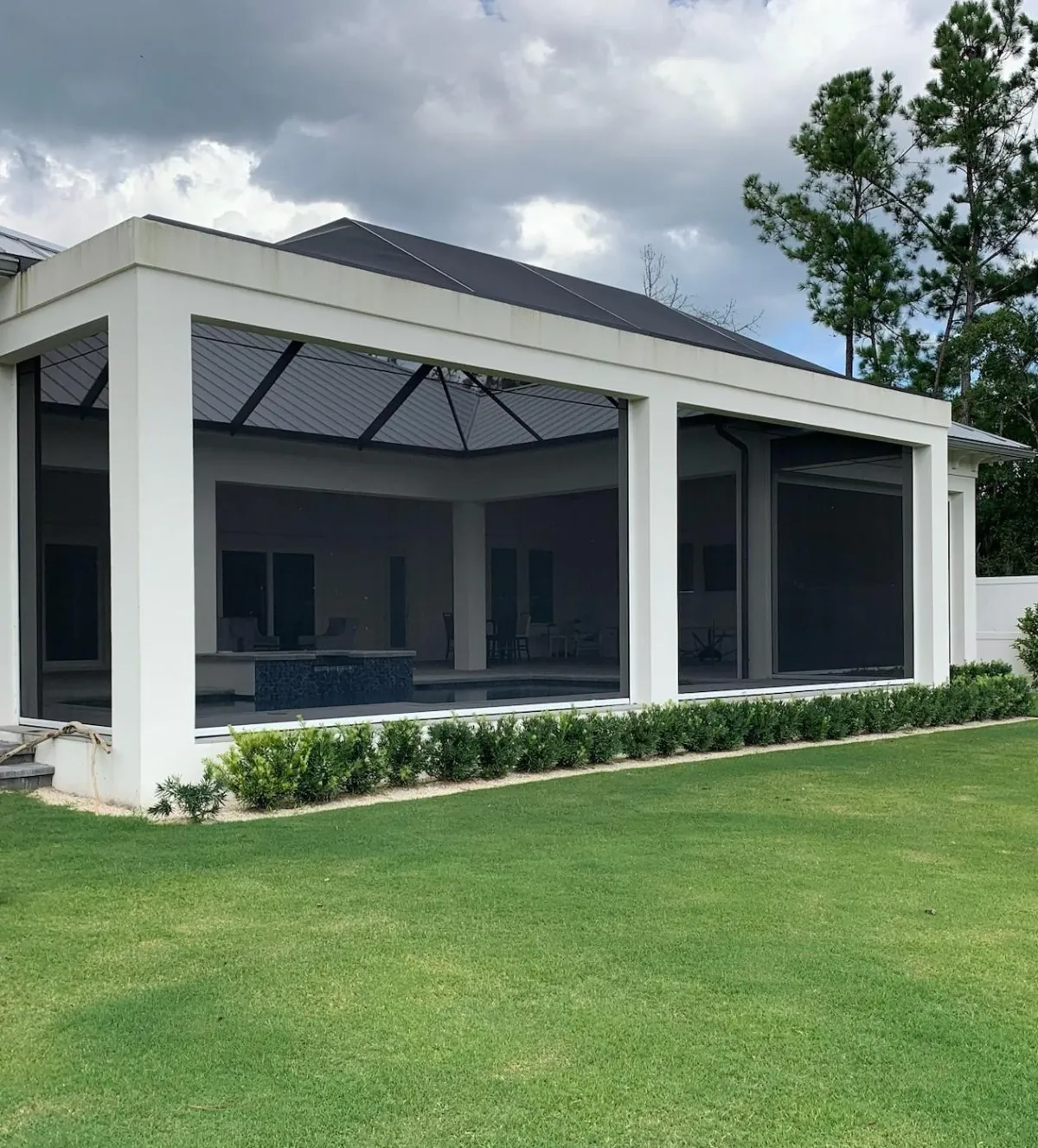
The MaxForce Hurricane Screen System meets or exceeds Miami-Dade and Florida Building Code requirements—the toughest hurricane codes on earth—for roll-down hurricane screens. Rated for the 185 MPH wind zone, and with real-world and certified testing. With spans of up to 25 feet, they exceed performance criteria for all local and International Building Codes.
MAXFORCE THE #1 MOTORIZED HURRICANE SCREEN
Contact A+ Certified MaxForce Screen Dealer Today...
THE MAXFORCE DIFFERENCE
Maxforce Hurricane Screen
MaxForce Hurricane Screens, powered by our MaxForce system, meet the toughest standards—including HVHZ certification in Miami-Dade and Broward. They last longer, resist more, and do more than any screen on the market—proven protection without compromise.
MaxForce Hurricane Screens —Delivers 365 days of perfect protection, rain or shine, on your patio and lanai. With the push of a button or a tap on the mobile app, your patio is storm-ready— furniture and openings fully protected in seconds.
MaxForce Hurricane Screens fabric blocks up to 95% of the sun’s damaging UV-rays while shielding against wind, rain, insects, dust, and debris. It also helps reduce heat and lower energy costs by limiting solar exposure—comfort and protection in one smart solution.
Like all Maxforce products, our MaxForce Hurricane Screens are highly customizable and built to order—made to fit your exact openings. No guesswork, no compromises—just precision-fit protection tailored to your space.
Pair our retractable MaxForce Hurricane Screens with other Maxforce screens for customized and independent solutions. Each screen operates independently, giving you the protection you want when you need it.
MaxForce Hurricane Screens offer built-in privacy without blocking your view. Like a two-way mirror, you can see out—but neighbors and passersby can not see in. It provides the perfect blend of openness and seclusion, day or night.
MAXFORCE THE #1 MOTORIZED HURRICANE SCREEN
Contact A+ Certified MaxForce Screen Dealer Today...
INTEGRITY MATTERS
How MaxForce Is Made Matters
AMERICAN INGENUITY
Made in the USA

Proudly Made in the USA—every MaxForce screen is built with American strength, precision, and pride. From the smallest components to the final assembly, our materials are sourced and manufactured right here in the United States. No outsourcing. No compromises. Just hardworking Americans protecting American homes with the toughest screen system on the market.
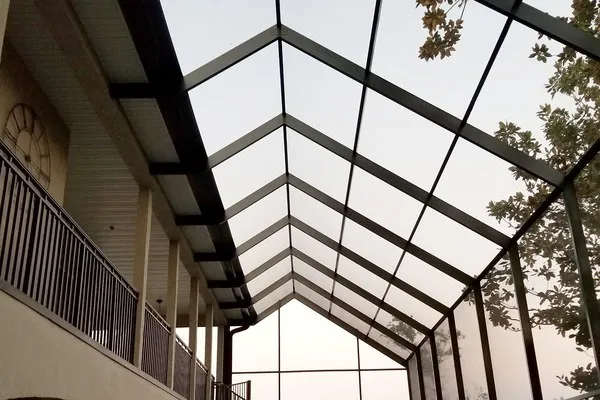
After Isaias: Don't Rescreen Until Someone Checks the Frame
Part of our series on the 10 most common mistakes homeowners make after a hurricane damages their screen enclosure, pool cage, screen room, or patio cover.
Quick answer: If Hurricane Isaias tore your enclosure screens, have the frame checked before anyone rescreens. Wind that tears screen can also stress the frame and its connections, and a rescreen-only job usually happens without an inspector or engineer looking at the structure.
After a storm, a lot of enclosures look like they only need new screen. The frame is standing, nothing is on the ground, and the torn panels are flapping in the breeze. Someone offers to rescreen the whole thing this week, and that sounds like the fastest way to get your backyard back.
Sometimes it really is just screen damage, and that's good news. But often the wind that tore the screen also stressed the frame underneath it, in ways that are easy to miss. Put new screen on a damaged frame and it looks finished, right up until the next storm finds the weak spot.
Why rescreening can skip the most important check
Here in Santa Rosa, Okaloosa, Walton, and Bay counties, replacing screen alone doesn't require a permit, while repairing or rebuilding the frame does. That makes sense, since screen is a simple fix. But it also means that a rescreen-only job usually happens without an inspector or engineer ever looking at the structure.
The frame is what holds up against the wind. When an enclosure fails in a storm, it's often at the connections: where the frame is fastened to the slab, and where the roof beams attach to the house. Those are exactly the spots a quick rescreen job never looks at.
Signs your enclosure may need more than screen
You can check for most of these from the ground, without touching anything:
Doors that stick, drag, or won't latch the way they did before the storm
Gaps, lifted sections, or missing screws where the frame meets the slab or knee wall
Posts that lean or lines that aren't straight anymore. Stand at one corner and sight down a row of posts; they should line up.
Roof beams that sag or a roofline that looks wavy
Separation where the enclosure attaches to the house, at the fascia or the wall
Cracked concrete around anchor points
Bracing cables that hang slack or have snapped, if your enclosure has them
If you see any of these, have the frame looked at before anyone puts up new screen. And if part of the frame is bent or leaning, our post on staying out from under damaged enclosures explains why you should keep your distance. Before anything goes to the curb, read why not to haul your damaged enclosure away yet.
"A new screen on a bent frame just looks finished. We'd rather tell you up front that it's a bigger job than have you pay for screen twice." — Eric Vanheteren, Aluminum Building Systems
What it costs to get it wrong
Rescreening over hidden damage usually goes one of two ways. If the frame needs repair later, the new screen often has to come off so the work can be done, and you pay for screen twice. Or nobody catches it, and the weakened frame carries on until the next big wind finds the failure point.
Neither outcome is worth the few days you might save.
How to get the right answer
Ask for a frame inspection, not just a screen quote. A contractor who looks only at the screen hasn't looked at the part that matters.
Check with your local building department. Depending on where you live, that's your city or your county. Some, like Fort Walton Beach, have published post-storm permitting guides that spell out which enclosure repairs need a permit. If you can't find one, call and ask.
Be wary of a quote that's "just screen" with no one checking the frame, especially if the job can start tomorrow.
"Plenty of what we see after a storm really is just screen, and we'll tell you that too. The point is to know, not guess." — Eric Vanheteren, Aluminum Building Systems
For the other common missteps, see 10 mistakes to avoid after a hurricane damages your pool enclosure or patio cover, and how ABS is handling Isaias repairs.
Frequently asked questions
Do I need a permit to rescreen my enclosure after Hurricane Isaias?
In Santa Rosa, Okaloosa, Walton, and Bay counties, replacing screen alone doesn't require a permit. Repairing or rebuilding the frame does.
How can I tell if my enclosure needs more than new screen?
Look for doors that stick or won't latch, gaps or missing screws where the frame meets the slab, leaning posts, sagging roof beams, separation where the enclosure meets the house, cracked concrete around anchors, and slack or snapped bracing cables.
What happens if I rescreen over a damaged frame?
If the frame needs repair later, the new screen often has to come off and you pay for screen twice. If nobody catches the damage, the weakened frame stays in place until the next big wind finds the failure point.
When you're ready
Book a 20-minute phone consult or call 850-308-1832. After you book, you'll get a text or email from us; reply with photos of the damage, including wide shots of the frame and close-ups of any connections that look off.
Next in this series: After Isaias: Don’t Pay Too Much, Too Soon for Enclosure Repairs

After Isaias: Don't Rescreen Until Someone Checks the Frame
Part of our series on the 10 most common mistakes homeowners make after a hurricane damages their screen enclosure, pool cage, screen room, or patio cover.
Quick answer: If Hurricane Isaias tore your enclosure screens, have the frame checked before anyone rescreens. Wind that tears screen can also stress the frame and its connections, and a rescreen-only job usually happens without an inspector or engineer looking at the structure.
After a storm, a lot of enclosures look like they only need new screen. The frame is standing, nothing is on the ground, and the torn panels are flapping in the breeze. Someone offers to rescreen the whole thing this week, and that sounds like the fastest way to get your backyard back.
Sometimes it really is just screen damage, and that's good news. But often the wind that tore the screen also stressed the frame underneath it, in ways that are easy to miss. Put new screen on a damaged frame and it looks finished, right up until the next storm finds the weak spot.
Why rescreening can skip the most important check
Here in Santa Rosa, Okaloosa, Walton, and Bay counties, replacing screen alone doesn't require a permit, while repairing or rebuilding the frame does. That makes sense, since screen is a simple fix. But it also means that a rescreen-only job usually happens without an inspector or engineer ever looking at the structure.
The frame is what holds up against the wind. When an enclosure fails in a storm, it's often at the connections: where the frame is fastened to the slab, and where the roof beams attach to the house. Those are exactly the spots a quick rescreen job never looks at.
Signs your enclosure may need more than screen
You can check for most of these from the ground, without touching anything:
Doors that stick, drag, or won't latch the way they did before the storm
Gaps, lifted sections, or missing screws where the frame meets the slab or knee wall
Posts that lean or lines that aren't straight anymore. Stand at one corner and sight down a row of posts; they should line up.
Roof beams that sag or a roofline that looks wavy
Separation where the enclosure attaches to the house, at the fascia or the wall
Cracked concrete around anchor points
Bracing cables that hang slack or have snapped, if your enclosure has them
If you see any of these, have the frame looked at before anyone puts up new screen. And if part of the frame is bent or leaning, our post on staying out from under damaged enclosures explains why you should keep your distance. Before anything goes to the curb, read why not to haul your damaged enclosure away yet.
"A new screen on a bent frame just looks finished. We'd rather tell you up front that it's a bigger job than have you pay for screen twice." — Eric Vanheteren, Aluminum Building Systems
What it costs to get it wrong
Rescreening over hidden damage usually goes one of two ways. If the frame needs repair later, the new screen often has to come off so the work can be done, and you pay for screen twice. Or nobody catches it, and the weakened frame carries on until the next big wind finds the failure point.
Neither outcome is worth the few days you might save.
How to get the right answer
Ask for a frame inspection, not just a screen quote. A contractor who looks only at the screen hasn't looked at the part that matters.
Check with your local building department. Depending on where you live, that's your city or your county. Some, like Fort Walton Beach, have published post-storm permitting guides that spell out which enclosure repairs need a permit. If you can't find one, call and ask.
Be wary of a quote that's "just screen" with no one checking the frame, especially if the job can start tomorrow.
"Plenty of what we see after a storm really is just screen, and we'll tell you that too. The point is to know, not guess." — Eric Vanheteren, Aluminum Building Systems
For the other common missteps, see 10 mistakes to avoid after a hurricane damages your pool enclosure or patio cover, and how ABS is handling Isaias repairs.
Frequently asked questions
Do I need a permit to rescreen my enclosure after Hurricane Isaias?
In Santa Rosa, Okaloosa, Walton, and Bay counties, replacing screen alone doesn't require a permit. Repairing or rebuilding the frame does.
How can I tell if my enclosure needs more than new screen?
Look for doors that stick or won't latch, gaps or missing screws where the frame meets the slab, leaning posts, sagging roof beams, separation where the enclosure meets the house, cracked concrete around anchors, and slack or snapped bracing cables.
What happens if I rescreen over a damaged frame?
If the frame needs repair later, the new screen often has to come off and you pay for screen twice. If nobody catches the damage, the weakened frame stays in place until the next big wind finds the failure point.
When you're ready
Book a 20-minute phone consult or call 850-308-1832. After you book, you'll get a text or email from us; reply with photos of the damage, including wide shots of the frame and close-ups of any connections that look off.
Next in this series: After Isaias: Don’t Pay Too Much, Too Soon for Enclosure Repairs

COMPANY
QUICK LINKS
LEGAL
FOLLOW US


© 2026 Fenetex Lead Nexus | A Fenetex Corporation | All Rights Reserved